Akkermansia: The Gut Bacterium Worth Knowing About
Akkermansia muciniphila is one of the most studied gut bacteria in metabolic and longevity research. What it does, why it matters, and how to support it.
You have probably never heard of Akkermansia muciniphila. Most people outside of microbiome research have not. But this single bacterial species, first isolated in 2004, is quietly becoming one of the most consequential findings in gut science. It sits at the intersection of metabolic health, gut barrier integrity, and longevity, three categories that rarely converge around one organism.
If you are working on restoring your gut health, Akkermansia is worth understanding. Not because it is a miracle (it is not), but because the evidence base is genuinely strong and the practical applications are becoming accessible.
What Is Akkermansia Muciniphila?
Akkermansia muciniphila is a gram negative, anaerobic bacterium that lives in the mucus layer of your intestinal wall. It typically comprises 1 to 4% of a healthy adult’s gut bacteria by abundance, making it one of the most prevalent single species in the human microbiome.
Its defining feature is that it feeds on mucin, the glycoprotein that forms your gut’s protective mucus barrier. This sounds counterproductive, a bacterium eating your gut’s defences. But the relationship is mutualistic. When Akkermansia degrades mucin, it signals your goblet cells to produce more. The net effect is a thicker, healthier mucus layer. A 2017 study in PNAS confirmed this mechanism: Akkermansia abundance correlated with mucus thickness and barrier integrity in both mouse and human intestinal tissue.
This matters because your gut barrier is your body’s primary interface with the outside world. When it is compromised, a state often called leaky gut, bacterial fragments cross into the bloodstream and trigger systemic inflammation. Akkermansia is one of your body’s key defences against this cascade.
Why Are Researchers Paying Attention in 2026?
Akkermansia is attracting serious research attention because it sits at the nexus of three major health concerns: insulin resistance, chronic inflammation, and gut barrier dysfunction. No other single species has this breadth of association.
The landmark study came in 2019, when a randomised controlled trial published in Nature Medicine gave pasteurised Akkermansia muciniphila to overweight adults with metabolic syndrome. Over three months, the supplemented group showed improved insulin sensitivity, reduced cholesterol markers, and decreased liver inflammation markers compared to placebo. The pasteurised (heat treated) form outperformed the live form, an unusual and important finding because it means the benefits come partly from the bacterium’s outer membrane protein (Amuc_1100), not just from live metabolic activity.
Since then, research has expanded rapidly. A 2023 meta analysis in Gut Microbes found that low Akkermansia abundance was consistently associated with obesity, type 2 diabetes, and inflammatory bowel disease across 42 studies and over 12,000 participants. Nestle published new data in 2025 linking Akkermansia to improved response to cancer immunotherapy, suggesting the bacterium’s immune modulating effects extend well beyond the gut.
The interest from longevity researchers is also growing. Akkermansia abundance naturally declines with age, mirroring the decline in metabolic health and gut barrier function. Whether restoring Akkermansia levels can slow aspects of this decline is an active area of investigation, but the correlational evidence is compelling.
How Do You Increase Akkermansia Naturally?
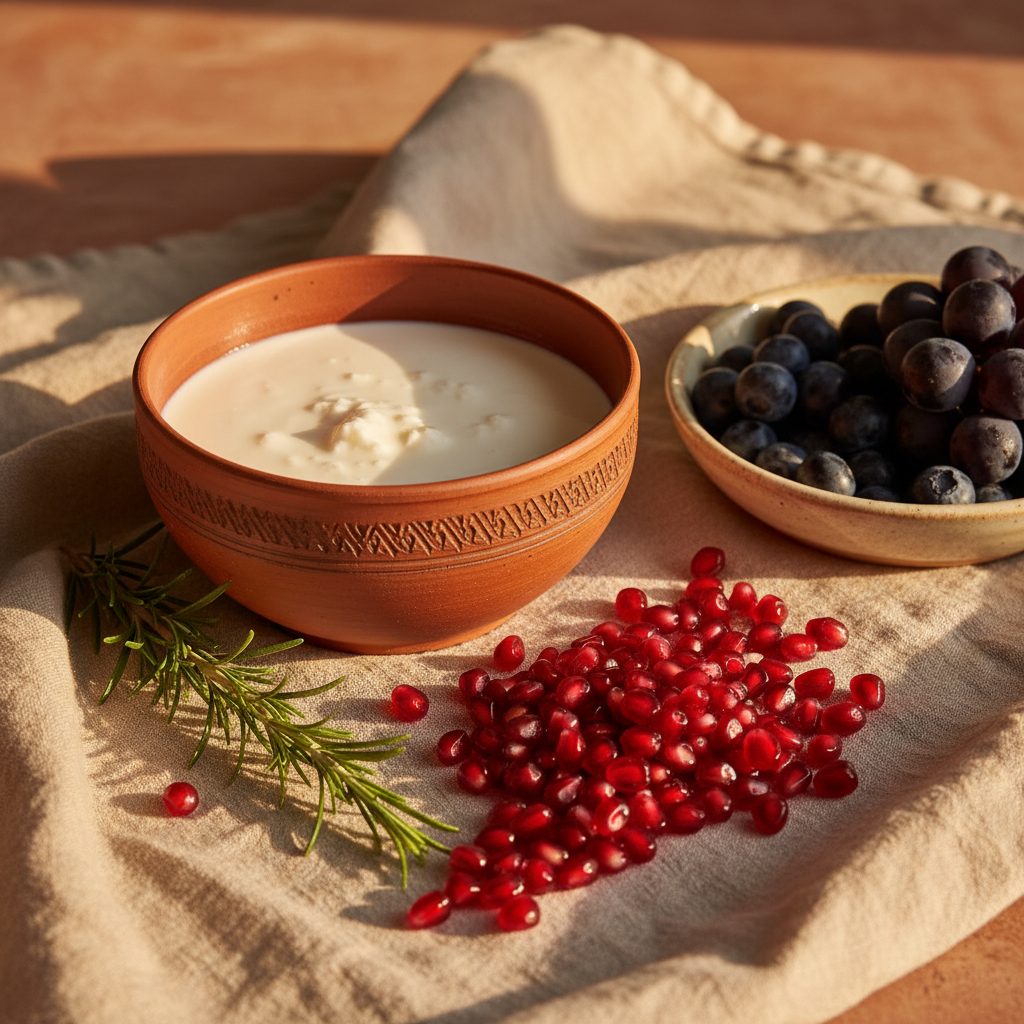
Polyphenol rich foods are the most effective dietary intervention for increasing Akkermansia abundance. A 2015 study in the Journal of Nutritional Biochemistry found that cranberry extract increased Akkermansia levels by approximately 30 fold in animal models. Human studies with pomegranate, grape polyphenols, and green tea catechins have confirmed that polyphenols selectively promote Akkermansia growth.
Prioritise these daily:
- Polyphenol sources: Cranberries, pomegranate, dark grapes, blueberries, green tea, dark chocolate (70%+ cocoa). These are the most evidence backed Akkermansia promoters.
- Prebiotic fibres: Inulin rich foods (chicory, Jerusalem artichoke, garlic, onion) feed beneficial species broadly, creating an environment where Akkermansia thrives. Our guide to the best probiotics covers which general formulations support this ecosystem.
- Fasting and caloric restriction: Both intermittent fasting and moderate caloric restriction have been shown to increase Akkermansia abundance in human studies. The mechanism likely involves mucin turnover during fasting periods.
What depletes Akkermansia: high fat, high sugar diets; antibiotic use; chronic stress; and excess alcohol. If your diet is predominantly processed food, your Akkermansia levels are almost certainly suppressed.
Should You Take an Akkermansia Supplement?
Pasteurised Akkermansia muciniphila supplements are now commercially available and the evidence for the pasteurised form is stronger than for most conventional probiotics. The Nature Medicine trial used a specific pasteurised preparation at 10 billion cells daily, which is the dose most commercial products now target.
The practical consideration: Akkermansia supplements are relatively new to the UK market and most are not yet available through established affiliate channels. If you are considering one, look for products specifying “pasteurised Akkermansia muciniphila” (not live), third party tested for cell count verification, and manufactured under GMP conditions. Pendulum is the most cited brand in the clinical literature.
For most people, the dietary approach is the better starting point. Polyphenols and prebiotic fibres increase not just Akkermansia but the entire ecosystem that supports it. A supplement makes more sense if you have confirmed low Akkermansia on a microbiome test, or if you have metabolic markers (elevated fasting glucose, insulin resistance, high triglycerides) that suggest barrier dysfunction.
The broader point: Akkermansia does not work in isolation. It thrives in a diverse, well fed microbiome. The gut skin connection illustrates how barrier health radiates outward. Supporting the whole system is always more effective than supplementing a single species.
What Does the Evidence Actually Show?
Akkermansia muciniphila has stronger clinical evidence than most individual probiotic strains, but honest assessment requires noting what is established versus what remains emerging.
Established (replicated in human RCTs):
- Pasteurised Akkermansia improves insulin sensitivity in overweight adults
- Pasteurised Akkermansia reduces total cholesterol and liver dysfunction markers
- Dietary polyphenols reliably increase Akkermansia abundance in humans
- Low Akkermansia is consistently associated with metabolic syndrome across populations
Emerging (promising but needs more human data):
- Whether restoring Akkermansia can prevent metabolic disease onset (not just improve existing markers)
- The longevity implications of maintained Akkermansia levels across decades
- Optimal dosing for supplements, particularly long term
- Whether Akkermansia supplementation benefits people who already have healthy metabolic markers
This is a bacterium worth taking seriously. The evidence is stronger than for most supplements on the market, and the dietary interventions that support it (polyphenols, fibre, fasting) are independently beneficial regardless. That is the best kind of health intervention: one where the downside is eating more berries and dark chocolate.
This article is for informational purposes and does not replace professional medical advice. If you have metabolic concerns, consult a healthcare provider.
Frequently Asked Questions About Akkermansia
What is Akkermansia muciniphila and why does it matter?
Akkermansia muciniphila is a gut bacterium that lives in the mucus layer of your intestinal wall and typically makes up 1 to 4% of a healthy adult’s gut bacteria. It feeds on mucin, the protein in gut mucus, and paradoxically this process signals your body to produce more and thicker mucus. A stronger mucus barrier means reduced inflammation and better protection against bacterial fragments crossing into the bloodstream, a state sometimes called leaky gut.
Can you increase Akkermansia levels through diet alone?
Yes, and diet is the recommended starting point for most people. Polyphenol rich foods are the strongest dietary intervention: cranberries, pomegranate, dark grapes, blueberries, green tea, and dark chocolate (70%+ cocoa) all selectively promote Akkermansia growth in human studies. Prebiotic fibres from garlic, onion, and Jerusalem artichoke also create an environment where Akkermansia thrives. Intermittent fasting has been shown to increase levels as well.
Is pasteurised Akkermansia better than live Akkermansia?
The 2019 Nature Medicine trial found that the pasteurised (heat treated) form of Akkermansia outperformed the live form, which is unusual for probiotics. This is because many of the benefits come from a protein on the bacterium’s outer membrane called Amuc_1100, which remains active after pasteurisation. Most commercial supplements now use the pasteurised form based on this evidence.
What destroys Akkermansia in the gut?
High fat and high sugar diets, antibiotic use, chronic stress, and excess alcohol are all associated with depleted Akkermansia levels. If your diet is predominantly processed food, your Akkermansia levels are almost certainly suppressed. Rebuilding them requires consistent dietary change rather than a single intervention.
How do you test your Akkermansia levels?
A stool microbiome test can measure your Akkermansia abundance directly. Low levels are consistently associated with obesity, type 2 diabetes, inflammatory bowel conditions, and metabolic syndrome across large population studies. If you have persistent metabolic issues despite a reasonable diet, testing may help identify whether low Akkermansia is a contributing factor.
Does Akkermansia help with weight loss?
Akkermansia is not a weight loss supplement. However, the 2019 Nature Medicine trial found that pasteurised Akkermansia improved insulin sensitivity and reduced cholesterol markers in overweight adults with metabolic syndrome. Low Akkermansia abundance is consistently linked to obesity across 42 studies and over 12,000 participants. The relationship is correlational, and restoring levels is best understood as supporting metabolic health broadly rather than targeting weight specifically.
How does Akkermansia relate to ageing and longevity?
Akkermansia abundance naturally declines with age, mirroring the decline in metabolic health and gut barrier function that researchers observe in older populations. Whether actively restoring Akkermansia levels can slow aspects of this decline is an active area of investigation. The correlational evidence is compelling, and longevity researchers are paying increasing attention, but definitive causal claims are premature. Supporting Akkermansia through polyphenols and fibre is independently beneficial regardless of the longevity question.
Can Akkermansia supplements replace a healthy diet?
No. Akkermansia thrives in a diverse, well fed microbiome and does not work in isolation. The dietary interventions that support it, polyphenols, prebiotic fibre, and reduced processed food, also benefit the broader gut ecosystem. A supplement may make sense if you have confirmed low Akkermansia on a microbiome test or have metabolic markers suggesting barrier dysfunction, but it works best alongside the dietary foundations covered in our 30 day gut health guide.
Frequently Asked Questions
What does Akkermansia muciniphila do in the gut?
Akkermansia muciniphila maintains the mucus layer lining your intestinal wall. It feeds on mucin (the protein in gut mucus), and this process paradoxically stimulates your gut to produce more and thicker mucus. A stronger mucus layer means better barrier function, reduced bacterial translocation, and lower systemic inflammation.
Can you take Akkermansia as a supplement?
Yes. Pasteurised Akkermansia muciniphila supplements are now available. A 2019 trial in Nature Medicine found that pasteurised Akkermansia improved insulin sensitivity and reduced cholesterol markers in overweight adults. The pasteurised form outperformed the live form, which is unusual for probiotics.
What foods increase Akkermansia levels?
Polyphenol rich foods are the most effective dietary intervention. Cranberries, pomegranate, grapes, green tea, and dark chocolate all increase Akkermansia abundance in human studies. Dietary fibre, particularly from fruits and vegetables, also supports Akkermansia growth. Caloric restriction and fasting have been shown to increase levels too.
How do you know if your Akkermansia levels are low?
A stool microbiome test can measure your Akkermansia abundance directly. Low levels are associated with obesity, type 2 diabetes, inflammatory bowel conditions, and metabolic syndrome. If you have persistent metabolic issues despite a reasonable diet, low Akkermansia may be a contributing factor worth investigating.
How to Read Wellness
The book that taught us how to read every supplement label, clinical trial, and viral wellness claim. £24 paperback, printed to order.
Buy the book