How To Improve Your Gut Health in 30 Days: A Practical Plan
A practical guide to gut healing, built from the principles of microbiome science.
Why Your Gut Is The Foundation of Everything
Your 38 trillion gut microorganisms synthesise B vitamins, regulate inflammation, produce roughly 95 per cent of your body’s serotonin, train immune cells, and metabolise oestrogen, which means dysbiosis cascades into fatigue, skin problems, mood disorders, weight gain, and immune dysfunction. Your digestive system is not merely a processing plant. It is the literal foundation upon which everything else is built.
Your gut contains approximately 38 trillion microorganisms, collectively called your microbiome. These bacteria, fungi, and other microbes are not invaders. They are collaborators. They synthesise B vitamins, regulate inflammation, produce neurotransmitters like serotonin, strengthen your immune function, and influence how your body processes hormones. A dysfunctional gut does not simply cause bloating or irregular bowel movements. It cascades upward into fatigue, skin problems, mood disorders, weight gain, and a vulnerability to illness.
The question, then, is not whether your gut matters. It is whether yours is functioning optimally. For many women, the answer is no. A combination of processed foods, chronic stress, antibiotics, irregular sleep, and modern life has left our digestive systems depleted. The good news is that your gut is remarkably resilient. With a structured, evidence backed approach, meaningful healing is possible in as little as thirty days. The gut chapter in How to Read Wellness walks through how to evaluate every claim you will encounter on this subject, from the credible to the marketed.
If you want this approach turned into a sequenced twelve week plan, with a plant count tracker, a practitioner conversation letter and the four supplements with the strongest evidence at trial grade doses, The Gut Reset Protocol is the structured companion. Unlock it free.
Do You Need A Gut Reset? Signs Your Gut Needs Attention
Persistent bloating after meals, irregular bowel movements, unexplained fatigue, brain fog, skin flare ups (acne or eczema), new food sensitivities, and frequent infections are the clearest indicators of dysbiosis, an imbalance in your microbial ecosystem, or increased intestinal permeability, commonly known as leaky gut.
Persistent bloating, particularly after meals or towards the end of the day, is often the first signal. If these symptoms are severe or chronic, our article on leaky gut: what it is and how to heal goes deeper into the underlying mechanism. You might experience visible abdominal distension or that uncomfortable sense of fullness that feels disproportionate to what you have consumed. Irregular digestion, constipation, diarrhoea, or alternating between the two, is another hallmark. Your stools may be inconsistent in frequency or form.
Unexplained fatigue is common in those with gut dysfunction. Your microbiome influences energy production and nutrient absorption. If you are struggling to extract vitamins and minerals from your food, your energy will suffer. Similarly, brain fog, difficulty concentrating, or mood disturbances can signal gut imbalance. The gut brain axis is not metaphorical. Your enteric nervous system produces 90% of your serotonin.
Skin issues, acne, eczema, rosacea, chronic dryness, often correlate with gut dysbiosis. Food sensitivities you did not previously have may emerge: bloating after dairy, energy crashes after grains, or inexplicable reactions to foods you once tolerated. Finally, frequent illness or a sense that your immune system is compromised often traces back to compromised intestinal integrity.
If you recognise three or more of these, your gut warrants attention. The following plan is designed for you.
The 5 Pillars of Gut Healing
Effective gut restoration rests on five interconnected pillars. These are not sequential steps but ongoing principles that layer upon one another over your gut healing journey.
1. Remove
Healing requires first eliminating what damages. For most people, this means removing inflammatory foods, processed sugars, seed oils, and alcohol for a defined period. These substances compromise intestinal barrier integrity, feed pathogenic bacteria, and perpetuate inflammation. Shop Seed DS-01
Inflammatory foods include those containing refined grains, added sugars, industrial seed oils (sunflower, soybean, canola), processed meats, and pasteurised dairy for some individuals. Alcohol irritates the intestinal lining and disrupts microbial balance. Caffeine, whilst not inherently harmful, can be inflammatory for sensitive digestive systems and is best minimised initially.
2. Replace
Your digestive system may need support in producing adequate enzymes, hydrochloric acid (HCl), and bile. Many of us, particularly as we age or under chronic stress, produce insufficient stomach acid, leading to poor protein breakdown and malabsorption. Supplemental digestive enzymes and HCl support can restore this capacity. Bile salts support fat digestion and the clearance of toxins.
3. Reinoculate
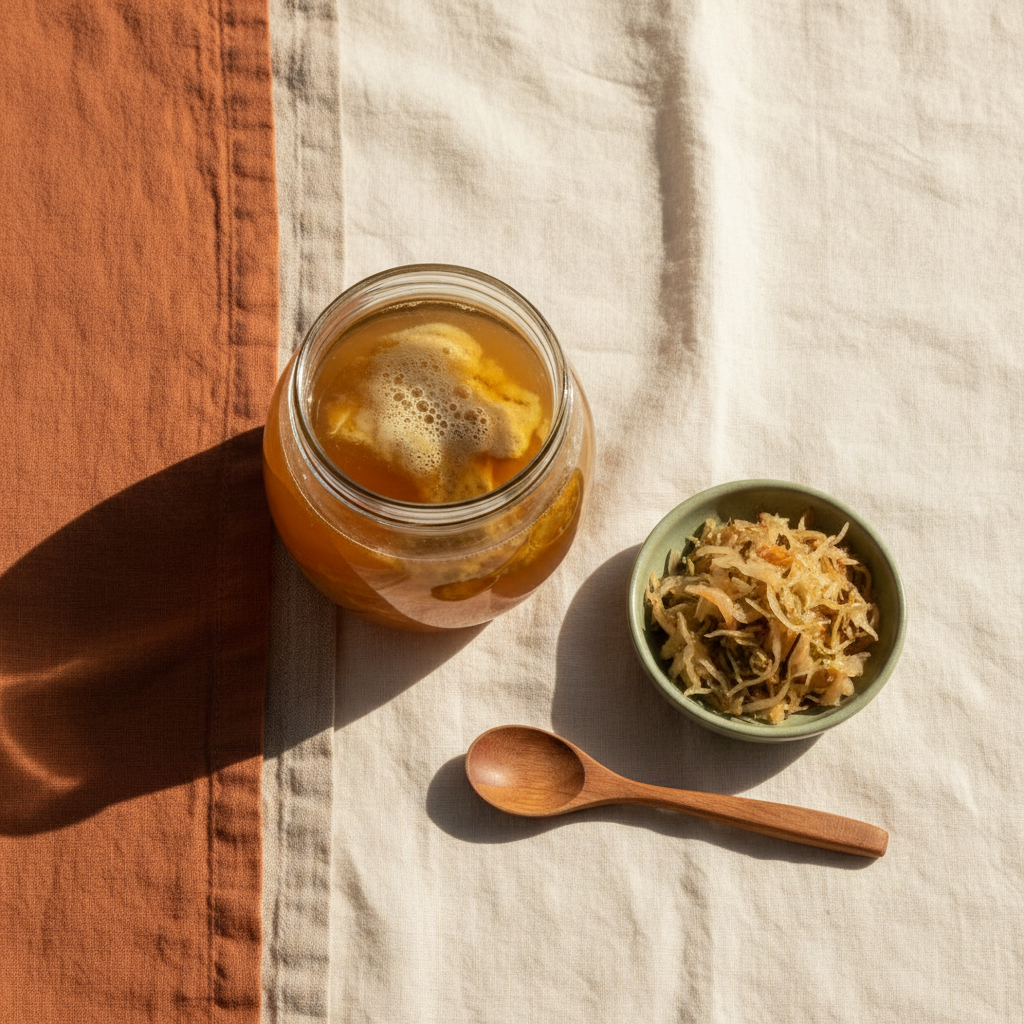
Once you have removed pathogens and inflammatory foods, you must repopulate your gut with beneficial bacteria. This happens through high quality probiotics, our guide to the best probiotics for women reviews the top options, and daily consumption of fermented foods: sauerkraut, kimchi, kefir, miso, tempeh, and kombucha.
4. Repair
The intestinal lining is a single layer of cells. When compromised, it becomes permeable, allowing partially digested food and bacterial lipopolysaccharides to enter the bloodstream. Certain compounds, glutamine, collagen, bone broth, zinc carnosine, and slippery elm, have demonstrated capacity to restore and strengthen this barrier. Shop L Glutamine Powder
5. Rebalance
Healing is not purely nutritional. Your nervous system profoundly affects digestion. Stress, poor sleep, rushed eating, and insufficient time for rest and digest (parasympathetic) activation undermine recovery. Rebalancing requires addressing sleep quality, stress management, and eating practices.
How to Layer the Five Pillars
Effective gut healing rarely runs to a strict calendar. Each pillar builds on the one before it, but the pace depends on where you are starting. Some people see meaningful change in three weeks; others need three months. The order matters more than the timing.
Begin with remove. Trigger foods, reduced alcohol, a careful look at medications and lifestyle stressors. This phase usually takes the longest because old eating habits run deep. The plate that supports healing here is straightforward: organic vegetables (cooked where possible for easier digestion), organic fruits in moderation, wild caught fish and clean poultry, grass fed beef, eggs, healthy fats (olive oil, avocado, coconut oil), nuts and seeds, and legumes if tolerated. Begin a simple food and symptom journal during this phase. Note what you eat and any responses: bloating, energy changes, mood shifts, bowel movements. This data informs every later decision.
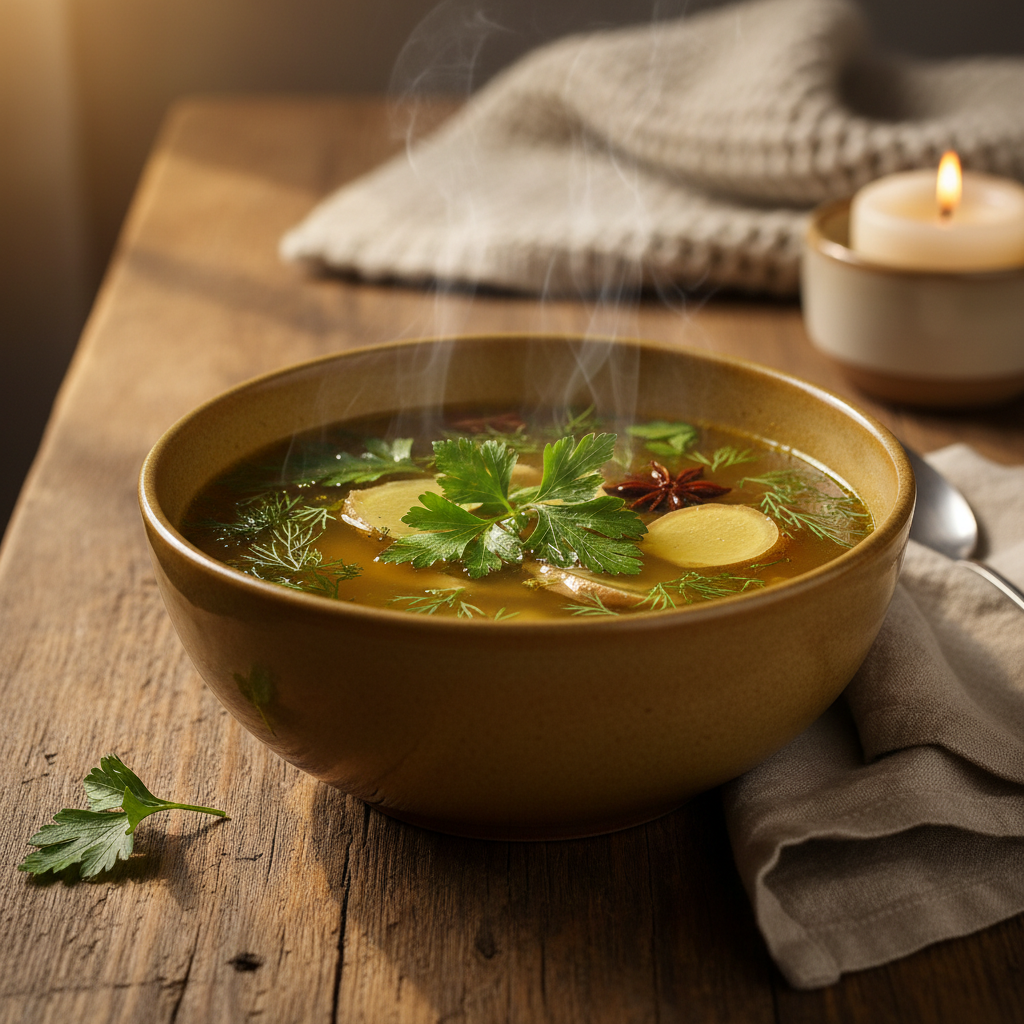
Once removal is steady, layer replace and repair. Bone broth daily (around 250ml, either as a warm drink or as a base for soups). Glutamine, the conditionally essential amino acid your intestinal cells preferentially use for fuel; a dose of 5 to 10 grams daily, split between morning and evening, supports mucosal healing. Collagen peptides, which provide additional amino acids (particularly glycine and proline) needed for intestinal repair; a daily serve of 10 to 15 grams, mixed into morning coffee, bone broth, or smoothies, is effective. The gut lining is a single layer of cells. It begins to recover within days of consistent attention.
Then move to reinoculate. A high quality probiotic and daily fermented foods, gradually increased so your system has time to adjust. Seed DS-01 is a notable option: a spore based probiotic that survives stomach acid and colonises the colon. Start conservatively, often a lower dose than the label suggests, to avoid temporary die off reactions as pathogenic bacteria are displaced. Add fermented foods daily: sauerkraut (2 to 3 tablespoons with lunch), kimchi if tolerated, unsweetened kefir or coconut kefir, miso, tempeh. Layer prebiotic fibres slowly: asparagus, garlic, onions, leeks, Jerusalem artichokes, green bananas, partially cooled cooked rice. Increase to 15 to 20 grams daily over a few weeks.
Finally, rebalance is the long arc. Sleep, stress, eating practices, and movement quietly hold the rest in place. Aim for 7 to 9 hours of sleep. Practise 5 to 10 minutes of deep breathing before meals to activate parasympathetic digestion. Add gentle yoga or walking. Pick a stress management practice that resonates with you (meditation, journaling, time in nature) and commit to it.
The Best Supplements for Gut Healing
Supplement quality is paramount. Poor quality products are often ineffective or contaminated. The following have evidence supporting efficacy in gut healing.
Seed DS-01: A spore based probiotic containing Bacillus subtilis DE111. It survives gastric acid, reaches the colon intact, and produces beneficial metabolites. Clinical trials show improvements in stool frequency, digestive comfort, and barrier function within 4 to 8 weeks.
L Glutamine Powder: Unflavoured, micronised glutamine from reputable manufacturers. Glutamine is the primary fuel for intestinal epithelial cells and has demonstrated capacity to reduce intestinal permeability. Effective doses range from 5 to 10 grams daily. Look for third party tested products.
Collagen Peptides: Hydrolysed collagen from grass fed cattle, sourced responsibly. Collagen provides amino acids necessary for structural repair of the intestinal wall. Grass fed sources contain higher omega 3 content and fewer inflammatory compounds than grain fed alternatives. Unflavoured collagen peptides dissolve easily in warm or cold liquids.
Digestive Enzymes: Broad spectrum formulas containing protease, amylase, and lipase, ideally derived from plant sources. Enzyme supplementation temporarily supports digestion whilst your own capacity recovers. Choose formulas without fillers or unnecessary additives.
Zinc Carnosine: This dipeptide combines zinc with L-carnosine, two compounds that support intestinal barrier function and reduce inflammation. Doses of 75mg twice daily have shown efficacy in clinical trials. It is particularly beneficial for those with persistent symptoms of leaky gut.
Slippery Elm Bark: The inner bark of the slippery elm tree contains mucilage that coats and soothes the intestinal lining. It is mild, safe, and has been used traditionally for centuries. Take 5 grams mixed with water, preferably in the evening before sleep.
Foods to Embrace and Foods to Avoid
Embrace These
Bone broth, grass fed beef, wild caught fish (salmon, mackerel, sardines), organic poultry, eggs from pastured hens, ghee, avocado, olive oil, cooked vegetables (sweet potato, carrot, broccoli, courgette, butternut squash), leafy greens, berries, fermented vegetables (sauerkraut, kimchi), fermented dairy if tolerated (kefir, yoghurt), organic legumes in small quantities (lentils, split peas), nuts and seeds in moderation, coconut oil, sea salt, bone broth, herbs and spices (turmeric, ginger, cumin).
Avoid These
Processed foods, refined grains (white bread, pastries, cereals), added sugars, seed oils (sunflower, soybean, canola, grapeseed), conventional dairy, processed meats, alcohol, excessive caffeine, artificial sweeteners, emulsifiers and additives, fried foods, high-sugar fruits (dried fruit, fruit juice).
This is not a forever list. It is a thirty day reset. Many foods can be reintroduced once your gut has healed, particularly in moderation or in their least inflammatory forms (sourdough rather than white bread, for instance).
The Gut-Everything Connection: How Your Microbiome Influences Your Entire Self
The Gut Brain Axis
Your enteric nervous system, the network of neurons lining your digestive tract, is often called your “second brain.” It contains roughly 500 million neurons and produces 90% of your body’s serotonin, the neurotransmitter essential for mood stability. Your gut microbiota produce neurotransmitters including serotonin, dopamine, and GABA. When dysbiotic, you lose this production, and mood disturbances follow. This is not psychosomatic. It is biological. Depression, anxiety, and brain fog often resolve with gut healing.
The Gut Skin Axis
Acne, rosacea, eczema, and psoriasis are frequently rooted in intestinal dysbiosis and barrier dysfunction. When your gut lining is compromised, lipopolysaccharides (bacterial endotoxins) enter the bloodstream, triggering systemic inflammation. Your skin is an organ of elimination; chronic skin issues often signal internal dysbiosis rather than a dermatological problem. Our deep dive into the gut skin connection explores this relationship in full. Healing your gut frequently resolves skin issues within 4-12 weeks.
The Gut-Hormone Axis
Your microbiota play a crucial role in oestrogen metabolism. A healthy microbiome maintains what is called the oestrobolome, a collection of bacteria that metabolise oestrogen and reabsorb it. When dysbiotic, oestrogen is poorly managed, leading to oestrogen dominance: irregular cycles, heavy bleeding, PMS, and menopausal symptoms. Additionally, your microbiota influence cortisol regulation and thyroid function. A dysbiotic gut perpetuates hormonal chaos.
The Gut-Immunity Axis
70% of your immune cells reside in your gut. A healthy microbiome trains your immune system to distinguish friend from foe, produce appropriate antibodies, and maintain immune tolerance. A dysbiotic microbiome leads to immune dysregulation: food sensitivities, autoimmune conditions, and recurrent infections become common. Restoring your microbiome strengthens your immune function at its foundation.
The Gut-Weight Axis
Your microbiota influence energy harvest from food, satiety signalling, appetite regulation, and metabolic rate. Certain bacterial species are associated with leanness; others with obesity. This is not about willpower or calories. Dysbiotic individuals often struggle to lose weight regardless of diet quality because their microbiota are extracting more energy from food and dysregulating appetite hormones.
If you want all of this structured into a clear, phased plan with exact timing, doses and food reintroduction steps, the Gut Reset Protocol lays it out week by week so you can follow it from day one. Unlock it free.
Frequently Asked Questions
How Long Does It Really Take to Heal My Gut?
Thirty days is a meaningful intervention, and many notice significant improvement within this timeframe. However, the extent of healing depends on the severity of dysbiosis and how consistently you adhere to the plan. Some see dramatic improvements in two weeks; others require 8-12 weeks. Intestinal cells turn over every 3-5 days, so cellular repair is relatively rapid. Microbiome reestablishment takes longer. Plan for at least 90 days to consider your gut truly healed, though benefits often emerge sooner.
Will I Experience Side Effects from Probiotics or Supplements?
Yes, possibly. Die off reactions, temporary bloating, fatigue, or headache, can occur when pathogenic bacteria are displaced by beneficial bacteria. This is not dangerous; it is a sign the approach is working. Minimise it by starting with lower probiotic doses and increasing gradually. If side effects are severe, reduce the dose further and increase more slowly. Ensure adequate water intake and consider adding activated charcoal temporarily to bind endotoxins.
What if I Cannot Tolerate Dairy Based Fermented Foods?
Excellent alternatives exist. Coconut kefir, vegetable ferments (sauerkraut, kimchi), miso, tempeh, and kombucha all provide beneficial bacteria and enzymes. You need not consume traditional dairy products. Observe your response to each and include what you tolerate well.
Can I Do This Plan Whilst Taking Antibiotics?
Antibiotics severely deplete your microbiome. If you must take them, this plan is even more relevant afterwards. Begin it as soon as your antibiotic course finishes. Avoid taking probiotics simultaneously with antibiotics, as the antibiotics will destroy them. Take probiotics at least two hours away from the antibiotic dose. After finishing antibiotics, restart probiotics immediately and be particularly consistent with fermented foods.
Do I Need to Eliminate Foods Forever?
No. The thirty day elimination is a reset, not a lifelong sentence. After four weeks, most people tolerate previously problematic foods better. Some foods, processed foods, excessive sugar, seed oils, are best minimised indefinitely, as they are genuinely inflammatory. But individual foods like quality sourdough bread or goat’s cheese often become tolerable again. Use your journal to guide reintroduction and let your body inform your choices.
What Supplements Should I Take Long Term?
This is individual. However, most people benefit from: a quality probiotic (such as Seed DS-01), daily fermented foods, bone broth several times weekly, and collagen peptides as desired. Digestive enzymes can be used as needed. Glutamine and slippery elm are often beneficial long term but may be cycled (8 weeks on, 2 weeks off) to prevent your body from downregulating its own production. Consider an annual gut reset, three weeks of this approach, to maintain optimal function.
What if My Symptoms Do Not Improve After 30 Days?
Most people notice significant improvement within 30 days. If you do not, ensure strict adherence: are you truly eliminating all inflammatory foods, or are hidden sources (seed oils in dressings, hidden sugars) undermining progress? Are you taking supplements consistently? Are you managing stress and sleeping adequately? If adherent and still struggling, consider testing. SIBO (small intestinal bacterial overgrowth), coeliac disease, and other underlying conditions may require targeted intervention. Work with a practitioner skilled in functional medicine to investigate further.
Is This Plan Safe for Everyone?
This plan is suitable for most adults. However, if you have a history of eating disorders, are pregnant or breastfeeding, or have severe medical conditions, consult a healthcare provider before beginning. Additionally, some individuals with SIBO may need to modify the prebiotic component (reducing fermented foods initially). Listen to your body and adjust as needed.
Your Gut Reset Begins Now
The five pillar reset (remove inflammatory foods, replace digestive enzymes, reinoculate with probiotics and fermented foods, repair with glutamine and collagen, rebalance stress and sleep) achieves measurable microbiome shifts within 30 days. Yet it is remarkably resilient. With a structured approach focused on removing inflammatory foods, replacing digestive capacity, reinoculating beneficial bacteria, repairing the intestinal barrier, and rebalancing your nervous system through stress management and sleep, meaningful healing is achievable.
Begin with the elimination phase this week. Increase your hydration. Add bone broth. Source quality supplements from reputable retailers like Amazon. Begin your food and symptom journal. This simple act of documentation is powerful; it clarifies which foods truly serve you and which do not.
Your body has an extraordinary capacity for healing. You simply need to provide the right conditions. The next stretch of consistent attention is an investment in your long term vitality, clarity, mood, and resilience. Your gut is listening. Give it what it needs.
Frequently Asked Questions
Can you significantly improve gut health in 30 days?
Yes, the microbiome responds relatively quickly to dietary and lifestyle changes. Studies show measurable shifts in microbial composition within 2 to 3 days of dietary change, though meaningful, stable improvements in diversity and function typically emerge over 4 to 6 weeks. In 30 days you can realistically: increase microbial diversity through plant variety, reduce inflammation by eliminating ultraprocessed foods, begin healing the gut barrier with targeted nutrients, and establish the daily habits that sustain gut health long term.
What are the most impactful things you can do for gut health?
In order of evidence strength: increase dietary fibre diversity (aim for 30 different plant foods per week, the landmark American Gut Project found this is the strongest predictor of microbiome diversity), eliminate ultraprocessed foods (emulsifiers in processed food directly damage the gut barrier), add a multi strain probiotic with Lactobacillus and Bifidobacterium species, reduce alcohol (disrupts gut barrier integrity within hours), manage chronic stress (the gut brain axis means elevated cortisol measurably harms the microbiome), and prioritise 7 to 9 hours of sleep (gut microbiome composition is influenced by sleep quality).
Are probiotic supplements worth taking for gut health?
For most people, yes, with caveats. Probiotics are most effective when taken alongside dietary fibre (the prebiotic that feeds them) and when the strain matches the intended outcome. For general gut health, multi strain products containing Lactobacillus acidophilus, Bifidobacterium longum, and Lactobacillus rhamnosus have the broadest evidence. High CFU counts (10 to 50 billion) are not automatically better, strain specificity and survivability to the gut matter more. Refrigerated products are not inherently superior to shelf stable ones with appropriate encapsulation technology.
What foods damage gut health most?
The most harmful are: ultraprocessed foods containing emulsifiers (polysorbate 80, carboxymethylcellulose) which directly degrade the gut mucus layer; artificial sweeteners, particularly saccharin and sucralose, which alter microbiome composition negatively in some studies; chronic alcohol, which increases intestinal permeability and disrupts microbial balance; and a diet consistently low in fibre, which causes the gut microbiome to shrink in diversity over time. The damage from these is reversible, but it requires sustained dietary change, not occasional 'detox' periods.
The Gut Reset Protocol
The free, deeper companion to this guide. A twelve week plan for women with persistent bloating, irregular digestion, and skin or mood symptoms that trace back to the gut.
Unlock the Protocol, freeWant the method behind every guide? How to Read Wellness, the Sable + Sand book, £24 paperback →
Products mentioned in this guide
Affiliate Disclosure
Some links in this guide are affiliate links, if you buy something we recommend, Sable + Sand may earn a small commission at no cost to you. We only recommend products we would genuinely use, and all editorial decisions remain entirely independent.