Tongkat Ali: What It Is and Why It Matters After 30
Eurycoma longifolia has clinical trial data for testosterone, cortisol, and stress. A clear guide to what it does, who benefits, and how to take it.
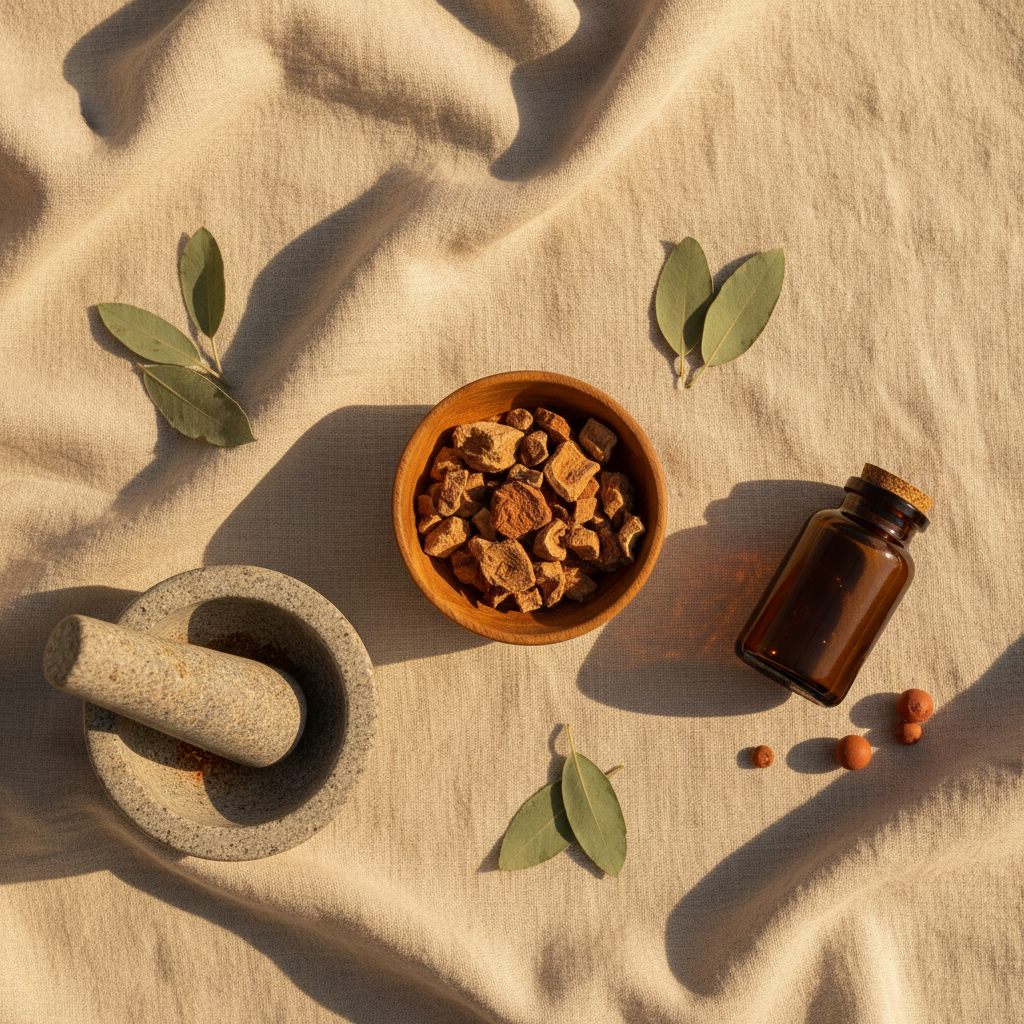
Something shifts in your thirties. Not dramatically, not overnight, but steadily enough that you notice it. Energy drops. Recovery takes longer. Sleep quality changes. Stress accumulates in places it did not used to. Most of this traces back to two hormones: testosterone and cortisol. Both begin moving in the wrong direction after 30, and the decline accelerates each decade.
Tongkat ali is one of a small number of herbal compounds with clinical trial data addressing both. Not animal studies. Not in vitro cell work. Randomised controlled trials in humans, with measurable outcomes.
This guide covers what tongkat ali is, what the research actually shows, and why it is worth knowing about whether you are a man or a woman navigating the hormonal realities of your thirties, forties, and beyond.
What Is Tongkat Ali?
Tongkat ali (Eurycoma longifolia) is a flowering plant native to Southeast Asia, primarily Malaysia and Indonesia, where it has been used in traditional medicine for centuries. The root extract contains a group of bioactive compounds called quassinoids, the most studied being eurycomanone, which appear to influence testosterone production and cortisol regulation through multiple pathways.
It is not a synthetic hormone. It does not introduce external testosterone into your body. Instead, it supports your body’s own production by reducing the binding of testosterone to sex hormone binding globulin (SHBG) and by modulating the hypothalamic pituitary adrenal axis, the system that governs your stress response.
How Does Tongkat Ali Affect Testosterone?
Tongkat ali supports testosterone through two primary mechanisms: reducing SHBG binding (which frees more testosterone for use) and lowering cortisol (which removes a direct hormonal brake on testosterone production).
A 2014 randomised trial published in Phytotherapy Research (Henkel et al.) found that 200mg of standardised tongkat ali extract significantly improved testosterone levels in men with late onset hypogonadism over four weeks. Participants showed improvements in both total testosterone and symptoms including fatigue and low libido.
A separate 2012 trial published in the Journal of the International Society of Sports Nutrition (Ismail et al.) found significant improvements in the testosterone to cortisol ratio in moderately stressed adults taking 200mg daily. The hormonal shift was measurable within four weeks.
What the evidence does not show is supraphysiological elevation. Tongkat ali does not push testosterone above your natural ceiling. It helps restore levels suppressed by stress, age, or poor sleep. That is a meaningful distinction from anabolic compounds, and it is why the safety profile is as favourable as it is.
Does Tongkat Ali Reduce Cortisol?
Cortisol reduction is arguably the most underappreciated benefit of tongkat ali, and the one most relevant to daily quality of life after 30.
A 2013 randomised, double blind, placebo controlled trial published in the Journal of the International Society of Sports Nutrition (Talbott et al.) is the landmark study here. Sixty three moderately stressed adults took 200mg of tongkat ali daily for four weeks. The results: a 16% reduction in salivary cortisol and a 37% improvement in the testosterone to cortisol ratio compared to placebo. Participants also reported reduced tension, anger, and confusion on validated mood scales.
This matters because cortisol and testosterone sit on a seesaw. When cortisol is chronically elevated, testosterone production drops. The body prioritises survival over reproduction, repair, and muscle maintenance. By lowering cortisol, tongkat ali indirectly supports testosterone, but it also improves sleep quality, mood stability, and stress resilience independently of any testosterone effect.
If you have been reading about what happens to your body after 35, cortisol dysregulation is one of the central mechanisms behind the shift.
What Are the Benefits for Men and Women?
The research includes both men and women, and the benefits overlap more than most people expect. The mechanisms differ slightly, but the outcomes are relevant across the board.
For men after 30:
- Testosterone support as natural levels decline (roughly 1 to 2% per year from age 30)
- Improved testosterone to cortisol ratio, which affects energy, mood, and body composition
- Better stress recovery and reduced mental fatigue
- Improved libido and sexual function (reported across multiple trials)
- Support for lean muscle maintenance as anabolic hormone levels fall
- Modest improvements in exercise recovery and physical performance
For women after 30:
- Cortisol reduction, which is the primary benefit and the most evidence supported
- Improved mood stability and reduced anxiety (via the cortisol pathway)
- Support for hormonal balance during the perimenopause transition, when cortisol and testosterone both shift
- Better energy and reduced fatigue without stimulant effects
- Potential support for libido, which declines alongside testosterone in women
- Improved stress resilience, which has downstream effects on sleep and hormonal signalling
The 2017 trial by Thu et al. in Evidence-Based Complementary and Alternative Medicine specifically included women and found improvements in physical and sexual wellbeing over 12 weeks at 200mg daily. The safety profile was consistent with the male cohort studies.
Is Tongkat Ali Safe?
Tongkat ali has a favourable safety profile across the published trials. The most common side effects at standard doses (200mg daily) are mild and infrequent: restlessness, mild insomnia if taken late in the day, and occasional digestive discomfort.
No serious adverse events have been reported in randomised controlled trials at doses of 200 to 400mg daily for up to 12 weeks. Longer term data is limited but consistent with the shorter trials.
Important caveats:
- If you are on hormone replacement therapy, speak with your prescriber before adding tongkat ali. The hormonal interaction has not been studied in combination with HRT
- Tongkat ali may interact with blood pressure and blood sugar medications. If you take either, consult your doctor
- Quality and contamination are real concerns. Some products have tested positive for mercury and lead. Standardised extracts from reputable manufacturers are essential
- Pregnant and breastfeeding women should avoid it. No safety data exists for these populations
How to Take Tongkat Ali
Dose: 200mg daily of a standardised water extract is the dose used in the major clinical trials. This is typically a 100:1 or 200:1 concentration ratio, meaning 200mg of extract represents a much larger quantity of raw root. Look for the concentration on the label.
Timing: Morning with food. Tongkat ali can be mildly stimulating, so taking it later in the day may affect sleep in some people. Some people cycle it (five days on, two days off, or four weeks on, one week off), though the clinical trials used continuous daily dosing without apparent tolerance.
Form: Capsules of standardised extract are the most reliable. Loose powders are harder to dose accurately and taste intensely bitter. Tinctures vary too widely in concentration to recommend.
What to look for on the label:
- Standardised extract (100:1 or 200:1 water extraction)
- Eurycomanone content specified (the primary active compound)
- Third party tested for heavy metals (mercury, lead, arsenic)
- No proprietary blends that obscure the actual tongkat ali dose
- GMP certified manufacturing
If you are already taking adaptogens for stress and energy, tongkat ali pairs well with ashwagandha. The two work through complementary mechanisms: ashwagandha primarily as a GABAergic adaptogen, tongkat ali primarily through the HPA axis and SHBG binding.
What to Look for in a UK Supplement
The UK market for tongkat ali is less mature than the US market, which means quality varies. A few things to verify before buying:
- Standardisation matters more than dose. A 500mg capsule of unstandardised root powder is less effective than 200mg of a 200:1 water extract. The concentration ratio is the number to watch
- Heavy metal testing is non negotiable. Tongkat ali bioaccumulates mercury and lead from soil. Any product without a certificate of analysis for heavy metals should be avoided
- Avoid proprietary blends. If the label buries tongkat ali in a blend with seven other ingredients, you have no idea how much you are actually getting
- Water extraction, not alcohol. The clinical trials used hot water extraction, which preserves the quassinoid profile
Look for 200mg of standardised 200:1 water extracted Eurycoma longifolia root, third party tested for heavy metals, from a manufacturer willing to show their certificate of analysis.
The Bottom Line
Tongkat ali sits in a small category of herbal supplements with genuine clinical trial data in humans. The evidence for testosterone support in people whose levels are declining, and for cortisol reduction in stressed adults, is consistent across multiple randomised controlled trials.
It is not a miracle compound. The effects are modest and gradual. But for anyone over 30 who is noticing the slow erosion of energy, recovery, stress tolerance, and hormonal balance, the evidence is worth taking seriously.
The strongest case for tongkat ali is not any single benefit. It is the intersection: the testosterone to cortisol ratio. That ratio governs more of how you feel on a daily basis than most people realise. And after 30, it moves against you unless you intervene.
If you are exploring the wider picture of supplements that actually work during perimenopause, tongkat ali is one of the compounds with enough evidence to earn a place in the conversation.
Frequently Asked Questions About Tongkat Ali
What is tongkat ali and where does it come from?
Tongkat ali (Eurycoma longifolia) is a flowering plant native to Malaysia and Indonesia, where the root has been used in traditional medicine for centuries. The active compounds are quassinoids, primarily eurycomanone, which have been studied in randomised controlled trials for their effects on testosterone, cortisol, and stress. It is one of a small number of herbal supplements with genuine clinical trial data in humans rather than animal studies alone.
Does tongkat ali work for women or is it only for men?
Clinical trials have included both men and women with consistent safety profiles across both groups. For women, the primary benefit is cortisol reduction rather than direct testosterone elevation. A 2013 trial found that women taking 200mg daily experienced reduced cortisol and improved mood. The 2017 trial by Thu et al. specifically included women and found improvements in physical and sexual wellbeing over 12 weeks. If you are exploring hormonal balance during perimenopause, tongkat ali is worth considering alongside other evidence based options.
How much tongkat ali should I take?
The most commonly studied dose is 200mg daily of a standardised water extract, typically a 100:1 or 200:1 concentration ratio. This is the dose used in the major randomised trials for testosterone and cortisol. Higher doses have not been shown to produce proportionally better results. The concentration ratio on the label matters more than the raw milligram amount.
How long does tongkat ali take to show results?
Most clinical trials ran for 4 to 12 weeks before measuring outcomes. Subjective improvements in energy and mood are often reported within 2 to 3 weeks of consistent daily dosing. Measurable hormonal shifts, specifically in the testosterone to cortisol ratio, typically appear by week 4, with full effects at 8 to 12 weeks.
Can tongkat ali be taken with ashwagandha?
Yes, and the two work through complementary mechanisms. Ashwagandha acts primarily as a GABAergic adaptogen, while tongkat ali works through the HPA axis and SHBG binding. Combining them addresses stress from two different angles. Our guide to the best adaptogens for stress, hormones, and energy covers how these compounds fit together.
Is tongkat ali safe and are there side effects?
At the standard 200mg daily dose, side effects are mild and infrequent: occasional restlessness, mild insomnia if taken late in the day, and digestive discomfort. No serious adverse events have been reported in randomised controlled trials at 200 to 400mg daily for up to 12 weeks. However, quality matters significantly because tongkat ali can bioaccumulate heavy metals from soil, so third party testing for mercury and lead is non negotiable.
What should I look for when buying tongkat ali in the UK?
Look for a standardised water extract (100:1 or 200:1 concentration), with eurycomanone content specified and a certificate of analysis showing third party heavy metal testing. Avoid proprietary blends that obscure the actual dose. A 500mg capsule of unstandardised root powder is less effective than 200mg of a properly concentrated extract. Water extraction, not alcohol, preserves the quassinoid profile used in the clinical trials.
Who should avoid tongkat ali?
Pregnant and breastfeeding women should avoid it as no safety data exists for these populations. Anyone on hormone replacement therapy should speak with their prescriber first, as the hormonal interaction has not been studied in combination. Tongkat ali may also interact with blood pressure and blood sugar medications, so medical advice is important if you take either.
Frequently Asked Questions
Does tongkat ali actually increase testosterone?
Yes, in specific populations. A 2014 trial in Phytotherapy Research found 200mg of standardised tongkat ali extract improved testosterone levels in men with late onset hypogonadism over four weeks. The effect is most pronounced in people whose testosterone is already declining, typically after 30. It does not push levels above normal physiological range.
Is tongkat ali safe for women to take?
Clinical trials have included women with no serious adverse effects reported. A 2013 trial in the Journal of the International Society of Sports Nutrition found that women taking 200mg daily experienced reduced cortisol and improved mood. The mechanism is primarily through cortisol reduction and adrenal support rather than direct testosterone elevation.
How long does tongkat ali take to work?
Most clinical trials showing measurable changes in testosterone and cortisol levels ran for 4 to 12 weeks. Subjective improvements in energy and mood are often reported within 2 to 3 weeks. Consistent daily dosing is necessary. Expect meaningful hormonal shifts by week 4, with full effects at 8 to 12 weeks.
What dose of tongkat ali is effective?
The most commonly studied dose is 200mg daily of a standardised water extract, typically a 100:1 or 200:1 concentration. This is the dose used in the major randomised trials for testosterone and cortisol. Higher doses have not been shown to produce proportionally better results, and exceeding 400mg daily is not supported by the current evidence.
How to Read Wellness
The book that taught us how to read every supplement label, clinical trial, and viral wellness claim. £24 paperback, printed to order.
Buy the book